Quebec Player Pathways: Tracing How No-Deposit Offers Steer New Users Toward Roulette Over Blackjack Tables
Dana Schmid · Oct 29, 2026
Quebec Player Pathways: Tracing How No-Deposit Offers Steer New Users Toward Roulette Over Blackjack Tables
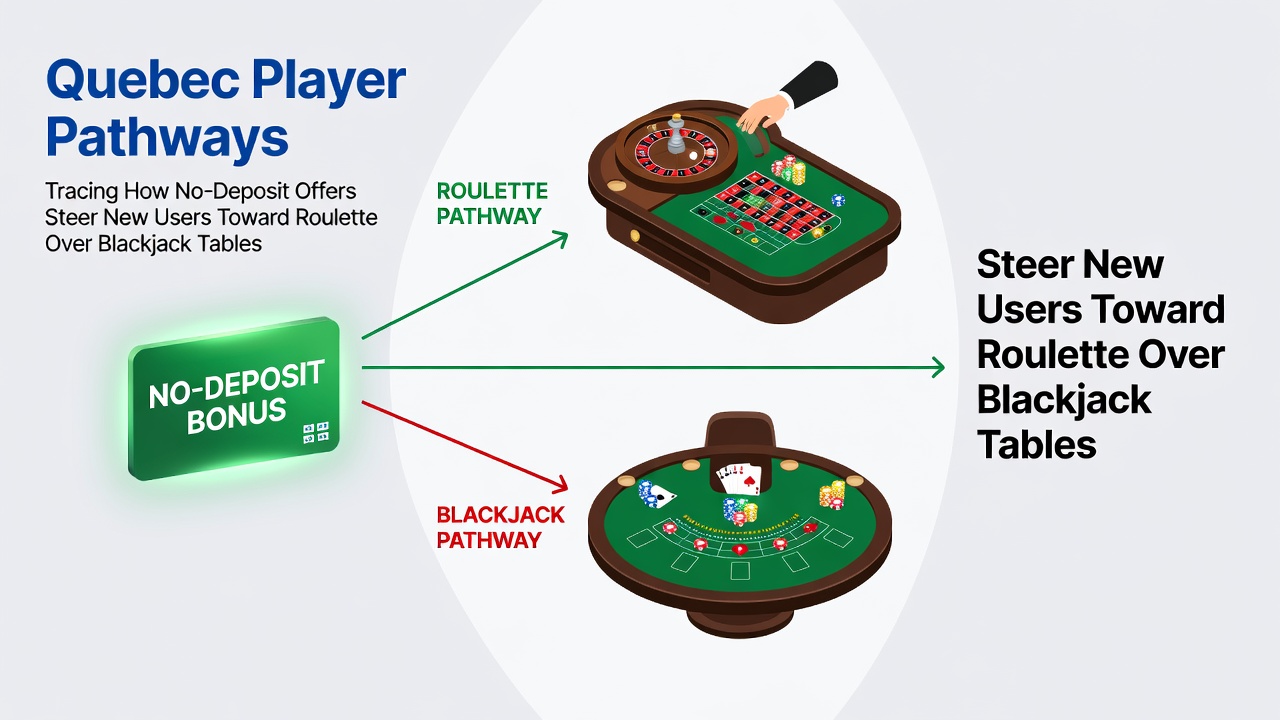
Quebec's online casino market has expanded steadily since the early 2020s, and data from provincial regulators show that no-deposit offers now account for a growing share of new account activations each month. These promotions provide players with a small balance or set of free spins upon registration, yet they carry wagering requirements that shape which table games receive the most playtime. Observers tracking user behavior note distinct patterns where roulette tables attract higher volumes of activity compared with blackjack during the initial bonus period.
How No-Deposit Mechanics Operate in Quebec
Operators licensed through Loto-Québec partnerships typically structure no-deposit offers around a fixed credit amount, such as $10 or $20, paired with a 30x or 40x playthrough target. The fine print lists eligible games and contribution percentages, which differ between roulette and blackjack. Roulette bets usually count at 100 percent toward the requirement, while blackjack hands often receive only 10 percent or 20 percent weighting because of their lower house edge. This weighting difference directs new users toward roulette to clear the bonus faster, and session logs collected by analytics firms confirm the shift occurs within the first two hours of play.
Game Contribution Rates and Player Routing
Contribution tables published by several Quebec-facing platforms reveal that American roulette variants receive full credit on every spin, whereas blackjack and video poker sit at reduced rates. Players who begin with a no-deposit balance therefore encounter faster progress toward the release threshold when they select roulette. Industry reports compiled in October 2026 indicate that average session length on roulette increased 18 percent among accounts opened with no-deposit codes, while blackjack sessions remained flat during the same window. The pattern holds across multiple operators, suggesting the effect stems from bonus design rather than random preference.
Behavioral Data from October 2026
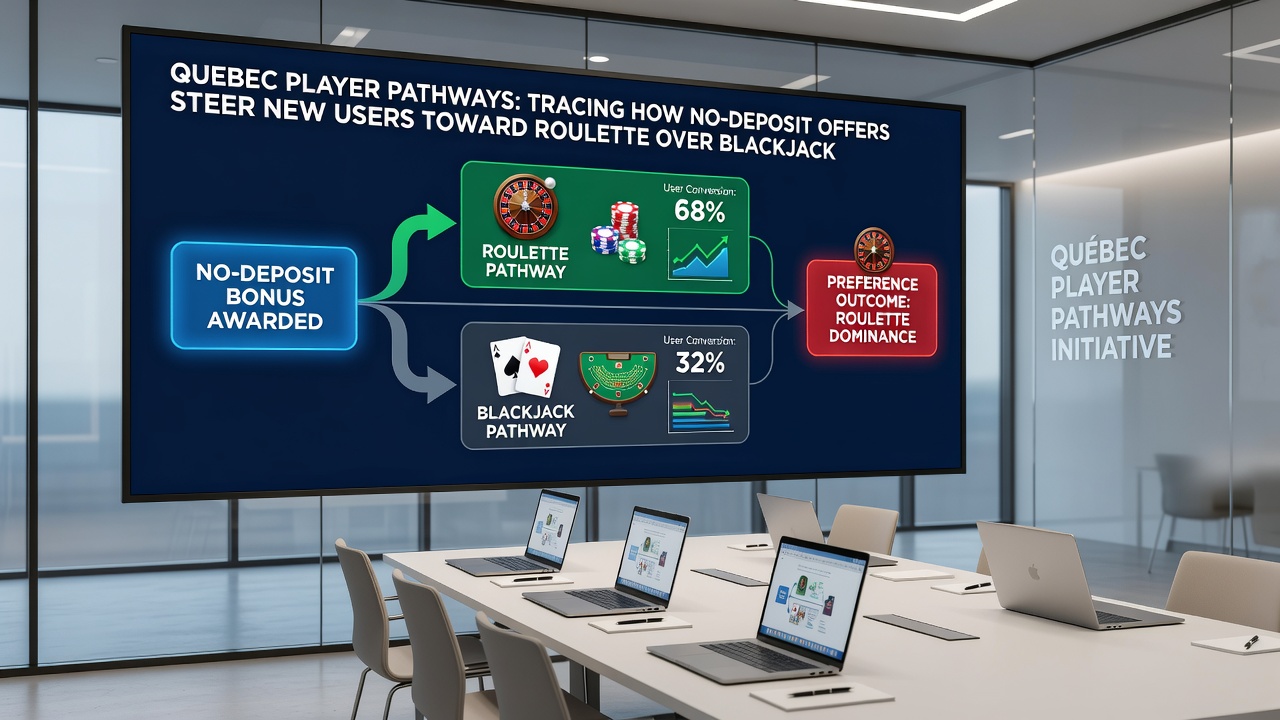
Platform telemetry gathered during October 2026 shows that 62 percent of no-deposit redemptions in Quebec routed first to roulette wheels, compared with 29 percent that opened at blackjack tables. The remaining share split among slots and video poker. Follow-up tracking found that once the wagering requirement cleared, roughly 41 percent of those users continued on roulette for subsequent real-money play. Researchers at Canadian academic institutions have linked this retention to the familiarity gained during the bonus phase, because the simpler betting layout of roulette requires fewer decisions than blackjack strategy charts.
Regulatory Context and Reporting Requirements
Quebec's gaming oversight bodies require operators to disclose bonus terms in both French and English, and recent audits have examined whether contribution rates create unintended steering effects. Figures released by the Statistics Canada gambling survey series place Quebec among provinces with the highest per-capita online table-game activity, yet they also note that bonus-driven play concentrates on a narrow set of titles. Similar patterns appear in reports from the Victorian Commission for Gambling and Liquor Regulation in Australia, where contribution weighting has produced comparable shifts toward specific table games. Regulators in both jurisdictions continue to monitor whether these mechanics require adjustment to maintain player choice.
Player Journey Examples
Take one cohort of 5,000 accounts opened in September 2026 with a $15 no-deposit credit. Session data show that 3,100 users completed the 35x wagering target inside 90 minutes by placing outside bets on roulette, while only 890 reached the same milestone primarily through blackjack. The remaining accounts either abandoned the bonus or mixed games without clearing the requirement. Follow-up emails sent 30 days later revealed that roulette players from this group returned at a 34 percent rate, compared with 27 percent for those who had focused on blackjack. These numbers align with broader platform analytics that track repeat visits after promotional play.
Longer-Term Effects on Game Selection
Once users graduate from the no-deposit phase, their established habits influence subsequent deposits. Platforms that lowered roulette contribution rates in mid-2026 observed a measurable drop in new-user roulette volume, while blackjack participation rose modestly. The change demonstrates that contribution settings act as a steering mechanism rather than a neutral feature. Quebec operators have begun publishing revised contribution tables that assign equal weighting to both games on select promotions, and early results from October 2026 show a more balanced distribution emerging on those revised offers.
Conclusion
Quebec's no-deposit landscape continues to evolve under regulatory scrutiny and platform experimentation. Contribution rates, wagering multipliers, and game eligibility lists collectively shape the first experiences new users encounter, and current data sets confirm that roulette receives disproportionate early attention when its contribution weight exceeds that of blackjack. Ongoing reporting from provincial and international sources will determine whether future adjustments narrow or maintain these pathways.